

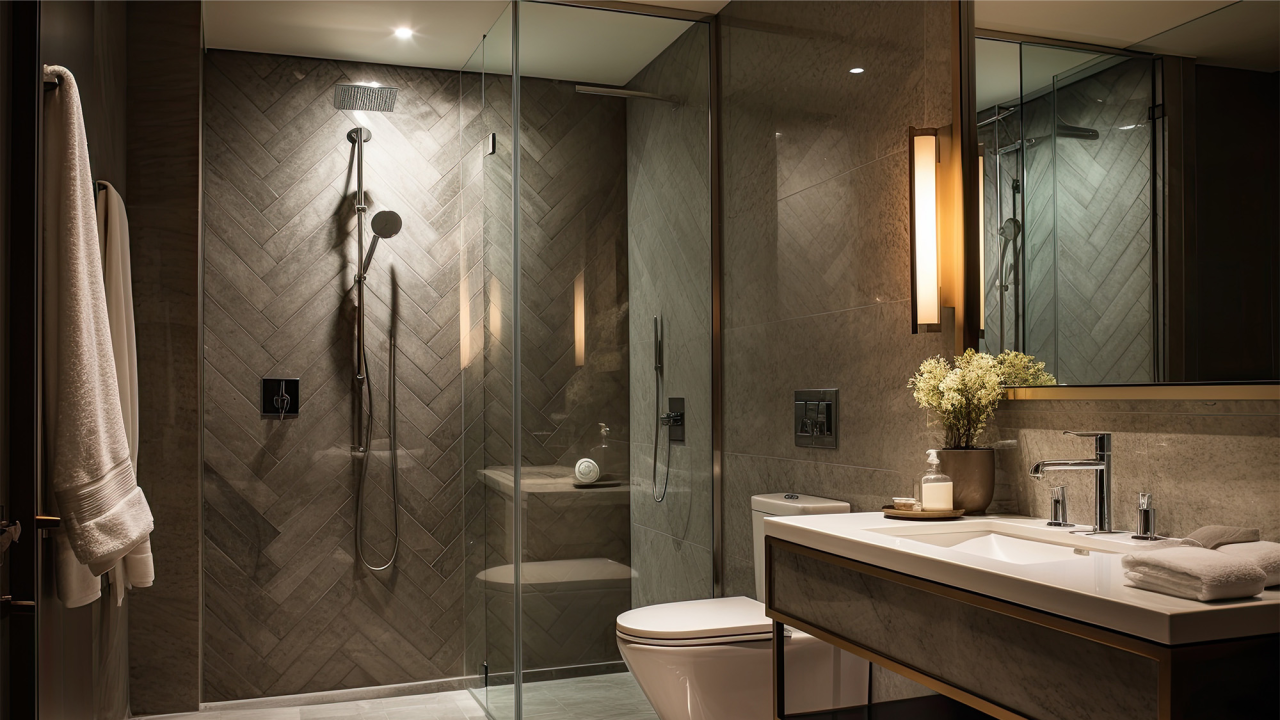
Tile is one of the most practical, beautiful, and resilient surface options available for South Carolina homeowners. Its ability to stay cool underfoot during hot summer months and withstand moisture makes it a staple in coastal residential design. However, when shopping for tile, you will quickly encounter two primary choices: ceramic and porcelain.
While ceramic and porcelain look similar on the surface and belong to the same broader family, key differences in manufacturing, strength, and water absorption make each suited for specific applications in your Murrells Inlet home.
Understanding Ceramic Tile
Ceramic tile is made from natural red, brown, or white clay mixed with water, which is then shaped and fired in a kiln at moderate temperatures. Most ceramic tiles are finished with a durable glaze that gives them their color, pattern, and shine.
Pros: Ceramic tile is lighter, easier to cut during installation, and generally more affordable than porcelain. It comes in an endless array of decorative colors, hand-painted patterns, and glossy finishes.
Best Uses: Ceramic is ideal for indoor wall applications, kitchen backsplashes, accent walls, and low-to-moderate traffic floors like guest bathrooms or powder rooms.
Because the interior clay body under the glaze is somewhat porous, ceramic tile can absorb water if the surface glaze chips or if exposed to standing water over long periods.
The Power of Porcelain Tile
Porcelain tile is actually a specialized type of ceramic, but it is manufactured using finer, denser porcelain clay and fired at significantly higher temperatures. This intense heat causes the clay to vitrify, turning it into a dense, glass-like material.
Pros: Porcelain has an extremely low water absorption rate (0.5% or less), making it completely waterproof. It is exceptionally hard, scratch-resistant, and frost-resistant. Many porcelain tiles feature "through-body" color, meaning the shade continues all the way through the tile, making chips far less noticeable.
Best Uses: Porcelain is ideal for high-traffic living areas, primary bathrooms, walk-in shower floors, kitchen floors, entryways, and outdoor living spaces like screened porches or patios exposed to moisture.
Choosing the Right Option for Murrells Inlet Homes
When deciding between porcelain and ceramic, consider the room's location, foot traffic, and exposure to moisture or tracked-in sand.
If you are tiling a kitchen floor, primary shower, front foyer, or screened Lowcountry porch where water, sand, and heavy foot traffic are frequent, porcelain is worth the extra investment for its strength and waterproof qualities. On the other hand, if you are designing a decorative backsplash behind your stove, tiling a guest bathroom wall, or working within a tight budget, ceramic tile provides fantastic visual appeal and performance at a lower price point.
Evaluating your project goals and space requirements will ensure you select a tile product that offers lasting beauty and structural performance.


