

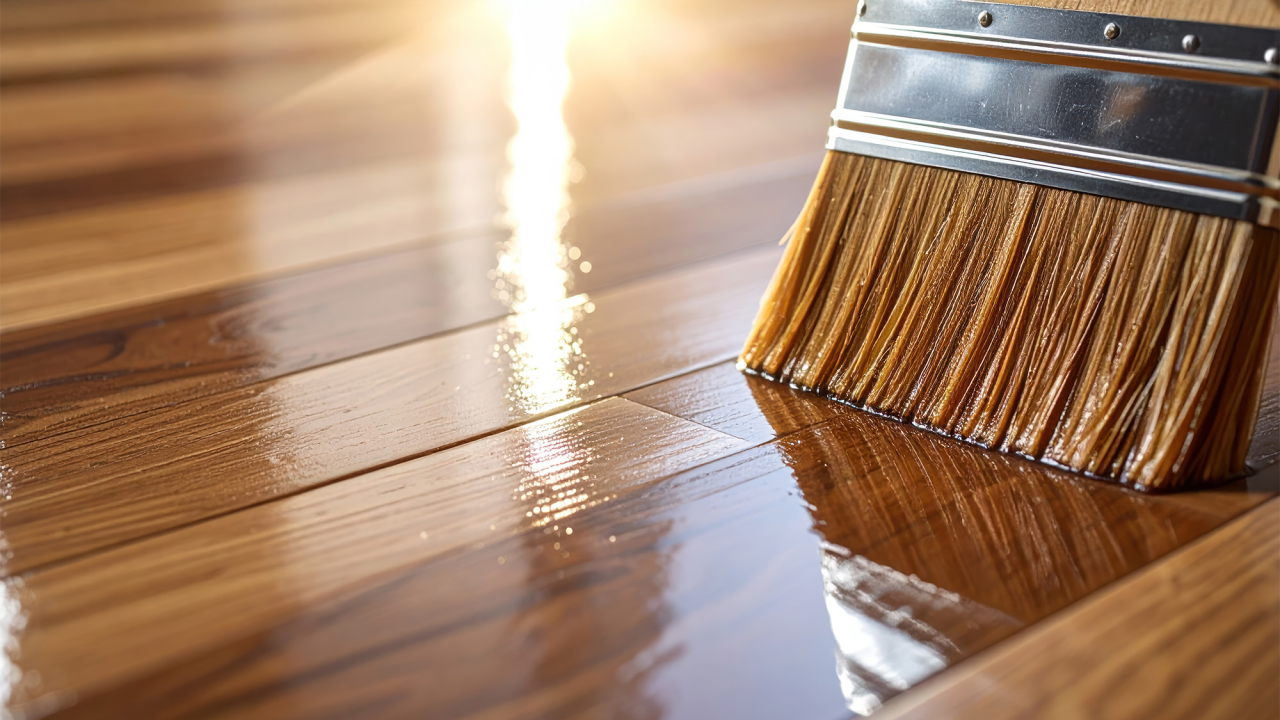
Hardwood flooring brings warmth, natural character, and lasting style to a Pawleys Island home. However, the same material that makes wood beautiful also makes it responsive to its surroundings. Wood naturally reacts to changes in indoor moisture, so seasonal maintenance matters in South Carolina’s hot and humid coastal climate.
The goal is not to prevent every small movement in a hardwood floor. Some seasonal change can be normal. The priority is to maintain reasonably stable indoor conditions, remove moisture promptly, and protect the finish from the sand and debris common to coastal living.
Understand How Humidity Affects Hardwood
When the surrounding air becomes more humid, wood can absorb moisture and expand. When indoor conditions become drier, it can release moisture and contract. If moisture levels become excessive or change sharply, homeowners may notice cupping, raised edges, buckling, warping, or seasonal gaps.
These changes do not always mean that the floor is defective. They may point to an indoor humidity issue, a plumbing leak, damp crawl space, subfloor moisture problem, or insufficient acclimation before installation.
If a hardwood floor suddenly changes shape, develops dark spots, or feels unusually damp, investigate the source rather than simply covering the area with a rug.
Keep Indoor Conditions Consistent
Air conditioning plays an important role in a Pawleys Island home during summer. It helps manage temperature and removes some moisture from indoor air. A dehumidifier may provide additional support in rooms or levels that remain damp.
A digital hygrometer can help homeowners monitor indoor relative humidity rather than relying on how the room feels. The ideal range may differ by hardwood product and manufacturer, so follow the care and environmental guidance provided for the installed floor.
Useful summer habits include:
Keep the cooling system operating consistently.
Avoid leaving doors and windows open for long periods on humid days.
Use bathroom and kitchen exhaust fans when appropriate.
Check plumbing fixtures and appliance connections for leaks.
Address damp crawl spaces or moisture intrusion promptly.
Follow the flooring manufacturer’s recommended humidity range.
Large fluctuations can be harder on wood than gradual, moderate seasonal changes. Consistency is one of the most effective forms of hardwood care.
Remove Sand Before It Scratches the Finish
Sand and grit are common concerns in coastal South Carolina. Small particles can behave like abrasive material when they are trapped beneath shoes, chair legs, or furniture. Over time, they may dull the finish and create noticeable traffic paths.
Place quality mats at entrances and clean beneath them regularly. A mat that collects sand but is never lifted can allow abrasive particles to remain against the floor. Avoid mats with rubber or synthetic backings unless they are approved for hardwood, as some backings may trap moisture or affect certain finishes.
Sweep with a soft-bristle broom or vacuum using a hardwood-safe attachment. A rotating beater bar should not be used if it can scratch the floor.
Clean Hardwood With Less Moisture, Not More
Hardwood does not need to look wet to become clean. In fact, excessive water can enter seams and contribute to swelling or finish damage.
For ordinary upkeep:
Remove loose dirt before damp cleaning.
Use a cleaner approved by the flooring or finish manufacturer.
Apply the product as directed rather than pouring it on the floor.
Use a lightly damp microfiber pad.
Wipe up spills immediately.
Never leave standing water on the surface.
Avoid steam cleaners unless the manufacturer expressly allows them. Steam introduces heat and moisture, which may affect the finish, joints, or wood beneath the surface.
Oil soaps, waxes, vinegar mixtures, and multipurpose cleaners should also be approached cautiously. A product that appears harmless may leave residue, dull the finish, or complicate future recoating.
Protect High-Use Areas Without Hiding the Floor
Hardwood is meant to be lived on, but a few preventive measures can limit avoidable damage. Use felt pads beneath furniture and replace them when they become worn or filled with grit. Lift furniture instead of dragging it, and place a protective mat beneath rolling office chairs.
Area rugs can help in living rooms, hallways, and other busy spaces. Choose breathable rug pads that are approved for hardwood. Periodically move rugs and furnishings if practical, because sunlight can gradually change the color of both the floor and the exposed wood around covered areas.
Pet nails should be kept trimmed, and spills from water bowls should be dried quickly. A waterproof mat beneath the bowl can help, but it should be lifted regularly so moisture does not remain trapped.
Know When to Call a Flooring Professional
A few minor gaps that appear and disappear with the seasons may not require repair. Persistent cupping, loose boards, widespread discoloration, soft spots, or a musty odor deserve closer attention.
Do not immediately sand a cupped floor. If excess moisture is the cause, the floor may need time to stabilize after that source is corrected. Sanding too early can create additional problems once the boards return toward their normal shape.
Flooring Plus has served the Murrells Inlet-area community since 1985 and offers hardwood products, professional installation, project guidance, samples, and in-home flooring estimates. Homeowners can use these services to compare hardwood options and discuss the requirements of a coastal South Carolina property.
Thoughtful hardwood maintenance in Pawleys Island is mostly about prevention. Stable indoor conditions, prompt spill cleanup, careful cleaning, and regular removal of sand can help preserve the floor’s finish and natural character throughout humid summers.
Need help selecting or caring for hardwood flooring in your Pawleys Island home?


