

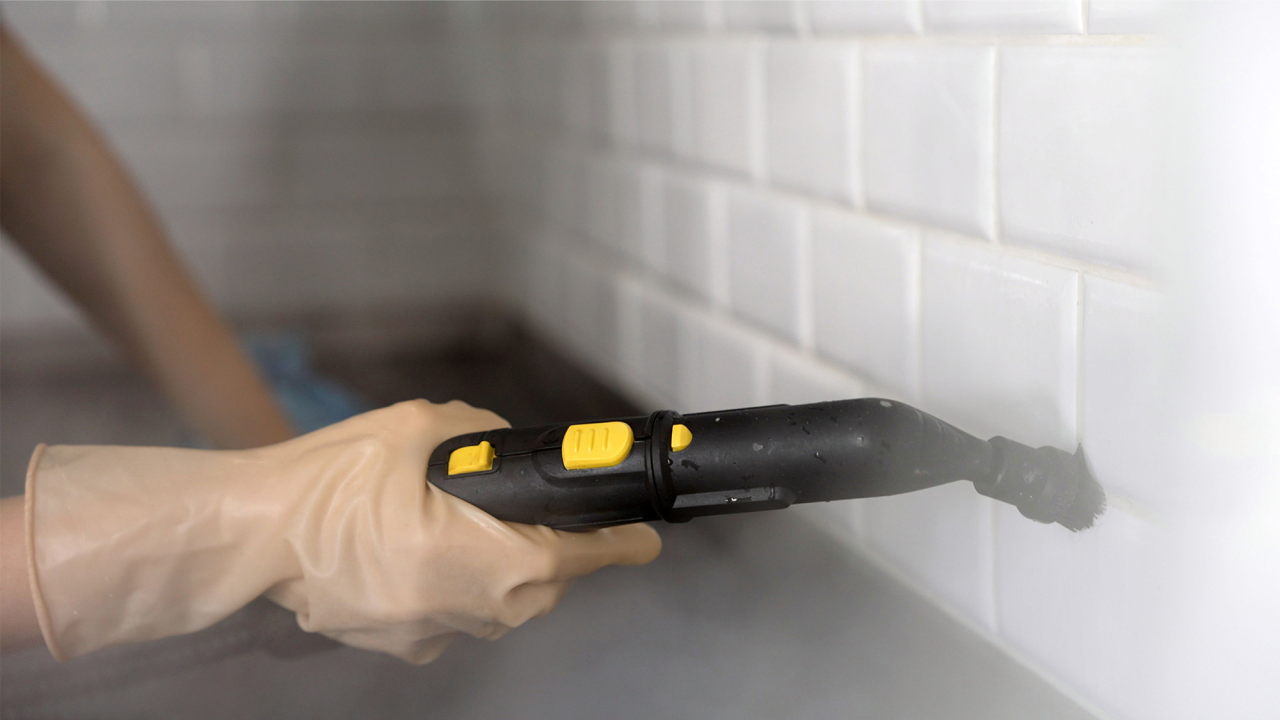
Tile flooring is a dependable choice for kitchens, bathrooms, entryways, laundry rooms, and other hardworking spaces. The tile surface is often simple to maintain, but grout requires a little more attention. Because many grout products have a textured or porous surface, they can collect dirt, soap residue, cooking residue, and moisture over time.
In Georgetown, South Carolina, regular grout care is especially valuable in entrances and bathrooms where humidity, outdoor debris, and wet footwear can affect the floor. The good news is that grout does not need to be aggressively scrubbed every week. Consistent, gentle maintenance is usually more effective than occasional use of harsh chemicals.
Start by Removing Loose Dirt
Always vacuum or sweep the tile before introducing a liquid cleaner. If loose sand and grit remain on the floor, mopping can push that debris into grout lines or spread it around the room.
Use a soft-bristle broom or a vacuum attachment suitable for hard surfaces. Pay close attention to corners, beneath cabinets, near exterior doors, and around the edges of bathroom fixtures.
Coastal and humid South Carolina homes often deal with tracked-in sand and moisture, both of which can place added demands on flooring maintenance. Entry mats can reduce the amount of grit that reaches the tile, but they should be cleaned and dried regularly.
Use a Cleaner Approved for the Tile and Grout
The correct cleaning product depends on the tile material and the type of grout. A cleaner that works on porcelain may not be appropriate for natural stone. Acidic or highly alkaline products can damage certain surfaces, alter grout color, or affect sealers.
Begin with the product manufacturer’s recommendations. If that information is unavailable, test the cleaner in a small, inconspicuous area before applying it to the entire surface.
For routine care:
Remove dry dust and grit.
Dilute the cleaner according to its label.
Apply only the amount needed.
Allow the recommended dwell time without letting it dry.
Agitate the grout gently with a suitable brush.
Rinse if instructed by the manufacturer.
Dry the surface and ventilate the room.
Avoid mixing household cleaning products. Combining chemicals can create dangerous fumes or damage the flooring.
Do Not Use Too Much Detergent
More soap does not always produce a cleaner floor. Excess detergent can leave a sticky film that attracts new dirt, making grout appear dull again soon after cleaning.
Change mop water when it becomes cloudy. Using dirty water across the entire room simply redistributes soil. A microfiber mop is often helpful because it collects fine debris rather than moving it from one grout line to another.
In heavily used kitchens, separate clean and rinse water can improve results. After cleaning, allow the floor to dry fully before replacing rugs.
Address Spills Before They Become Stains
Grout near cooktops, dining areas, vanities, and exterior doors can be exposed to oils, cosmetics, beverages, mud, and colored liquids. Blot spills as soon as possible instead of allowing them to dry.
Use a white cloth when treating a stain so dye from the fabric does not transfer to the grout. Work from the outside of the spot toward the center to avoid spreading it.
If the grout remains discolored after routine cleaning, identify the likely source before choosing a stronger treatment. Grease, mineral deposits, mildew, and ordinary soil may each require different products.
Control Moisture in Bathrooms
Bathroom grout often looks dirty because soap residue and moisture remain on the surface. After showers, use the exhaust fan and allow the room to ventilate. Wiping excess water from shower walls can reduce buildup and shorten drying time.
Tile is well suited to moisture-prone rooms, but the complete installation still depends on correct waterproofing, drainage, grout, sealants, and ongoing maintenance. Persistent dampness, cracked grout, loose tile, or a musty smell may indicate a concern beyond surface cleaning.
Discolored caulk should not automatically be treated like grout. Caulk is a different material and may need to be removed and replaced when it loses adhesion or develops persistent staining.
Determine Whether the Grout Needs Sealing
Some cement-based grout products may benefit from sealing, while other formulations may have different requirements. Sealer can help reduce absorption, but it does not make grout maintenance-free or correct damaged joints.
Before applying a sealer:
Confirm that the grout type is meant to be sealed.
Clean the surface thoroughly.
Allow it to dry for the specified amount of time.
Follow the sealer manufacturer’s instructions.
Prevent residue from drying on the tile face.
Observe all ventilation and safety directions.
Natural stone may also require sealing, depending on the product. If your floor combines stone tile and grout, ask for care guidance that covers both materials.
Know When Cleaning Is Not Enough
Cleaning cannot repair missing grout, moving tile, cracked joints, or water damage beneath the surface. If grout repeatedly cracks in the same location, the issue may involve movement in the installation rather than cleaning.
Contact a professional if you notice:
Loose or hollow-sounding tile
Repeatedly cracking grout
Persistent moisture or odors
Soft areas around a shower or tub
Discoloration that returns quickly
Failed sealant around changes of plane
Widespread grout erosion
Flooring Plus offers tile, bathroom remodeling, flooring installation, samples, and in-home estimates for customers in the Murrells Inlet area and surrounding South Carolina communities. A flooring professional can help determine whether an issue is cosmetic, maintenance-related, or connected to the underlying installation.
Clean grout begins with small, consistent habits. Removing grit, using an appropriate cleaner, controlling bathroom moisture, and responding quickly to spills can protect the appearance of tile throughout a Georgetown home. Gentle routine care also reduces the need for harsh deep-cleaning methods later.
Would you like help choosing easy-to-maintain tile or addressing grout concerns in your Georgetown home?


