

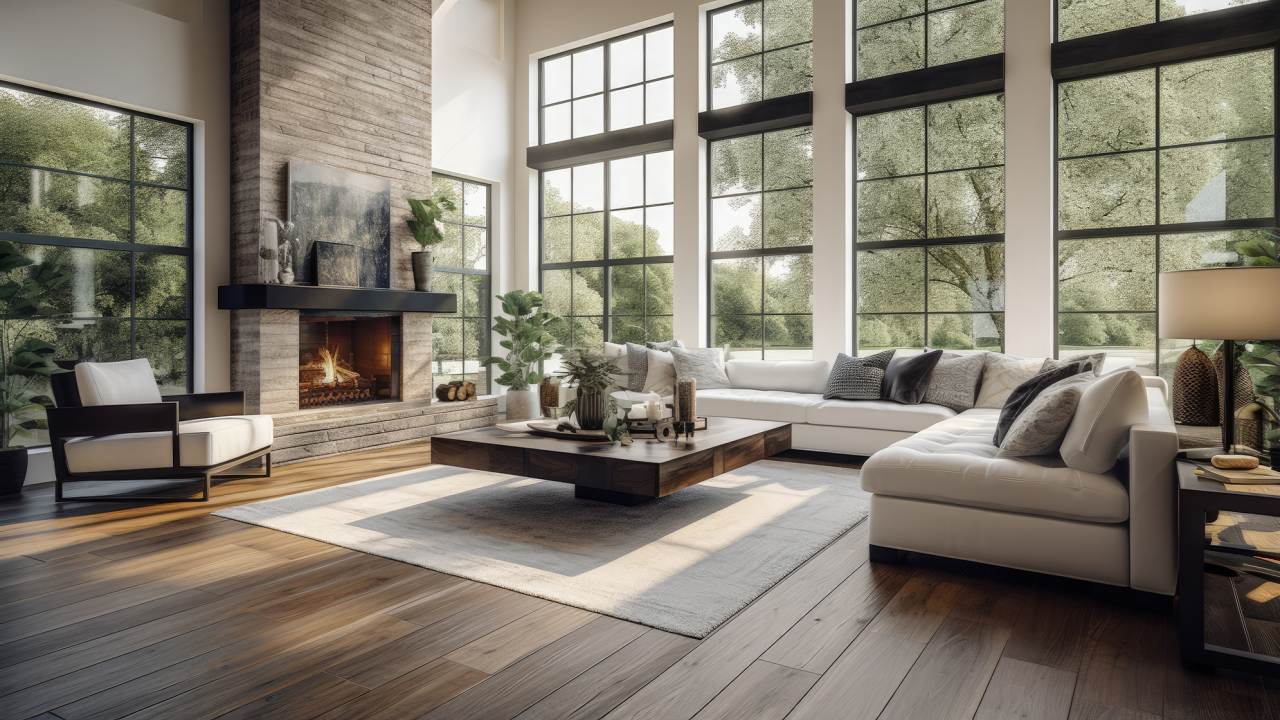
Few interior design features match the timeless warmth and character of genuine hardwood flooring. In Murrells Inlet, South Carolina, traditional wood floors have long been a favored feature in coastal cottages, marshfront homes, and custom builds. However, our local environment presents a continuous structural challenge for natural wood: elevated relative humidity, tidal air, and noticeable seasonal temperature shifts. Traditional solid hardwood tends to expand, contract, warp, or cup when exposed to fluctuating moisture levels. Engineered hardwood flooring offers a specialized construction solution designed specifically to handle these coastal conditions while preserving the beauty of real wood.
The Impact of Lowcountry Humidity on Traditional Wood
To understand why engineered hardwood performs so well in Murrells Inlet, it helps to examine how moisture affects natural wood. Solid hardwood boards are milled from a single piece of timber. As atmospheric moisture increases during hot, humid South Carolina summers, solid wood fibers absorb water vapor and expand outward across the plank width. When the air dries out during winter heating months, the boards lose moisture and shrink. This constant expansion and contraction cycle leads to unsightly gaps between boards, cupping along the edges, or squeaky, loose flooring over time.
The Engineering Behind Moisture Resistance
Engineered hardwood resolves these structural issues through a multi-layer cross-ply design. Instead of a single piece of lumber, engineered planks feature multiple thin layers of hardwood or high-density plywood bonded together under extreme pressure. Crucially, each inner layer is positioned in alternating grain directions. This cross-grain construction counteracts the natural movement of wood, preventing the plank from shifting, warping, or expanding when humidity levels rise. On top of this stable base sits a premium wear layer of real wood, giving you the exact visual appearance and feel of solid timber.
Genuine Wood Texture with Superior Stability
With engineered hardwood, you do not compromise on visual authenticity or tactile feel. The top layer consists of authentic wood species such as European Oak, White Oak, American Walnut, or Hickory. You can select wire-brushed finishes, matte sheens, or hand-crafted plank textures that showcase natural grain patterns and subtle color variations. Because engineered planks are naturally more stable, manufacturers can produce them in much wider widths and longer lengths than solid wood boards. Wide planks create a seamless, expansive look that complements lowcountry architectural styles and open floor plans.
Selecting the Right Species and Finish for Coastal Homes
When choosing engineered hardwood for a home in Murrells Inlet, consider both wood hardness and surface finish. Harder domestic and imported species resist minor surface indentations from household activity. Selecting a durable, low-sheen factory finish helps diffuse natural sunlight, minimizing the appearance of fine dust or sand particles that drift in from outside. Additionally, engineered hardwood can often be installed on all levels of your home—including ground floors and over concrete slabs where solid hardwood installation is generally not recommended due to ground moisture.
Protecting Your Investment Year-Round
While engineered hardwood provides significantly better moisture resistance than solid wood, taking simple precautions will ensure your floors last for decades. Keeping indoor relative humidity between 35% and 55% using your central air conditioning or a whole-home dehumidifier maintains optimal conditions. Placing entry mats at exterior doors catches loose sand before it enters your home, and cleaning up liquid spills promptly protects the plank joints. With basic care, engineered hardwood delivers permanent luxury and stability tailor-made for coastal South Carolina living.


